Arabica vs Robusta: What's the Real Difference?
Arabica vs Robusta explained. How the two main coffee species differ in taste, caffeine, growing conditions and price, and why Vietnam grows so much Robusta.
In this article
Look closely at a bag of coffee and you'll often see one of two words: Arabica or Robusta. They're the two species behind almost all the coffee people drink, yet many coffee lovers aren't sure what separates them. Is one simply "better"? Why does Robusta have a reputation for strength? And why does Vietnam, one of the world's great coffee nations, grow so much of it?
Let's break down the real differences, from the farm to your cup.
Two species, one family
Arabica and Robusta are two different species of the coffee plant. Arabica is Coffea arabica, while Robusta is the common name for Coffea canephora. Together they account for the overwhelming majority of coffee produced worldwide, with Arabica making up roughly 60 percent and Robusta most of the rest.
Arabica is believed to have originated in the highlands of Ethiopia, while Robusta comes from the lowland forests of West and Central Africa. Those very different homes explain many of the differences that follow.
How and where they grow
Arabica is the more delicate of the two. It thrives at higher altitudes, typically between about 1,000 and 2,000 metres, with cool temperatures, steady rainfall and shade. It's more vulnerable to pests, diseases and extreme weather, and it generally produces smaller harvests.
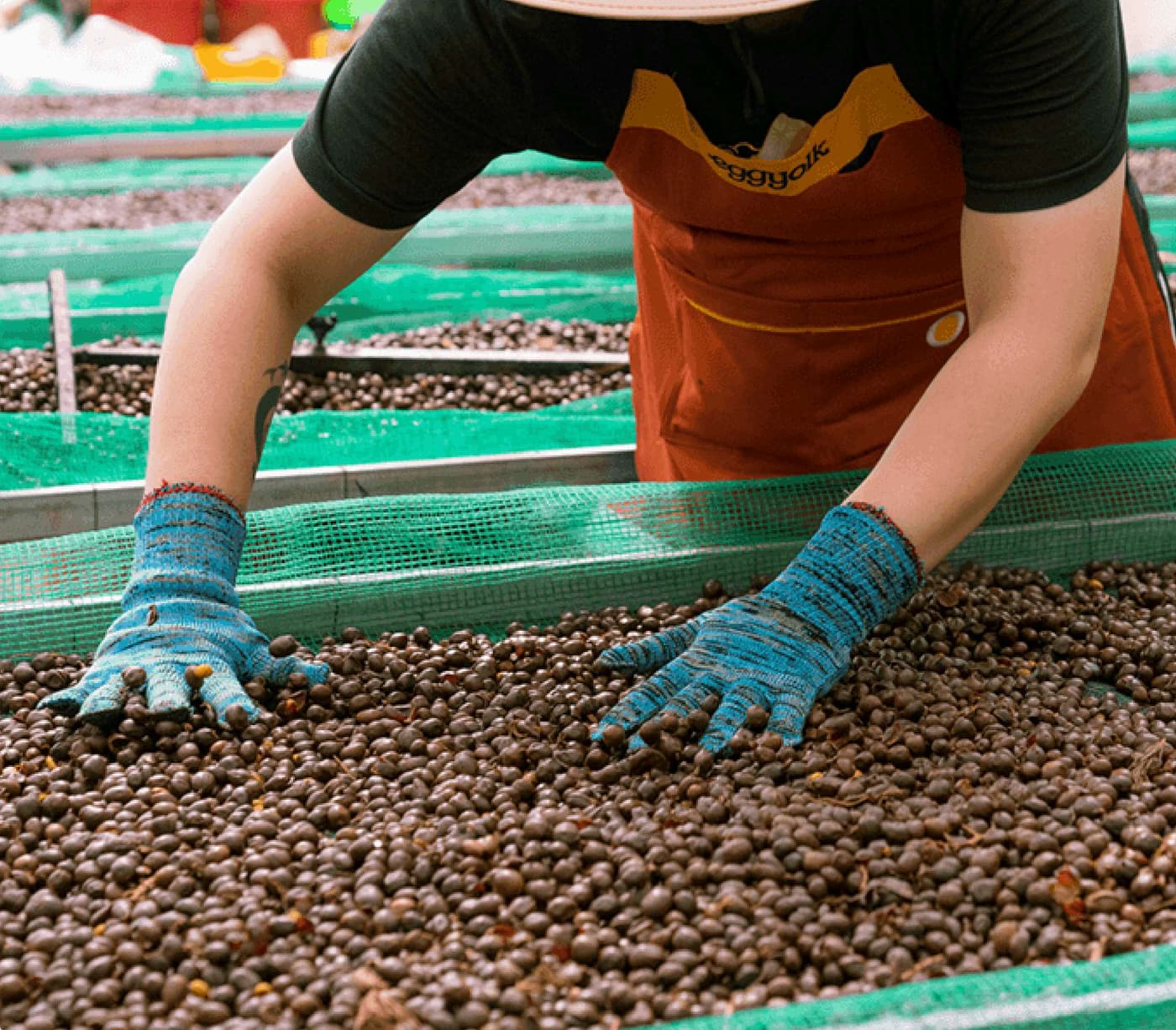
Robusta, true to its name, is tough. It grows at lower altitudes, tolerates heat and humidity, resists many pests and diseases, and yields more coffee per plant. Part of that resilience comes from its higher caffeine content, which acts as a natural defence against insects.
There's a botanical difference too. Arabica can pollinate itself, which keeps its genetics relatively stable. Robusta needs cross-pollination from other plants, which creates more variation from one tree to the next.
Spotting the beans
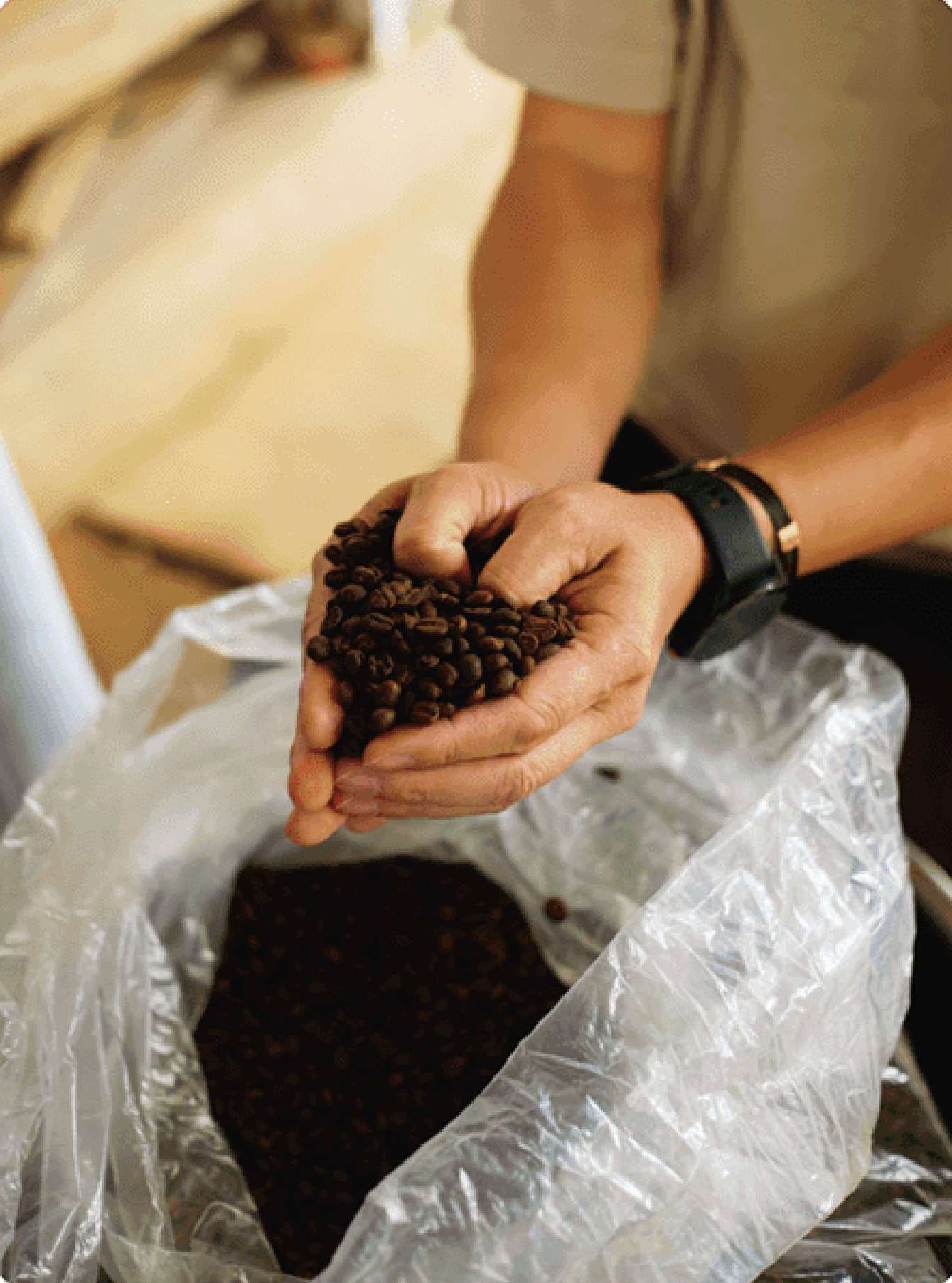
Even before roasting, you can often tell the two apart. Arabica beans tend to be larger and oval, with a curved crease down the middle. Robusta beans are usually smaller and rounder, with a straighter crease. Once roasted they look more alike, but the shape difference often remains visible.
Caffeine: which coffee is stronger?
If by "strong" you mean caffeine, Robusta wins comfortably. Arabica beans typically contain around 1.2 to 1.5 percent caffeine, while Robusta usually contains around 2.2 to 2.7 percent, often close to double. That's one reason Robusta-based coffee delivers such a noticeable kick, and why it's a favourite for early mornings.
Caffeine is also naturally bitter, which contributes to Robusta's bolder flavour.
How they taste
This is where personal preference comes in.
Arabica is generally sweeter and more aromatic, with brighter acidity. Depending on where and how it's grown, it can taste of fruit, flowers, berries, citrus, caramel or chocolate. Arabica beans contain more natural sugars and oils than Robusta, which helps explain their sweetness and complexity.
Robusta is bolder, earthier and more bitter, with less acidity and a heavier body. Typical flavours include dark chocolate, cocoa, roasted nuts and grain. In espresso, Robusta produces a thick, long-lasting crema, which is why many Italian-style blends include a portion of it.
Neither is objectively better. A carefully grown and processed Robusta can be far more enjoyable than a poorly handled Arabica, and many of the world's favourite coffees are blends that use both.
Price and reputation
Arabica usually costs more, reflecting its lower yields, higher-altitude farming and greater demand in specialty coffee. Robusta has long been associated with instant coffee and cheaper blends, but that reputation is changing. Growers who pick only ripe cherries and process them carefully are producing what's known as fine Robusta, with surprising sweetness and complexity.

Three common myths
"Robusta is always low quality." Not true. Quality depends far more on farming, picking, processing and roasting than on species alone. Carefully produced fine Robusta can be sweet, clean and complex.
"100% Arabica means great coffee." The label tells you the species, not the quality. An Arabica that was picked unripe, stored badly or roasted carelessly can still taste flat or harsh.
"Darker coffee has more caffeine." Caffeine depends mostly on the species and how much coffee you use, not on how dark the beans look. A lightly roasted Robusta will still contain far more caffeine than a dark-roasted Arabica.
Why Vietnam grows so much Robusta
Vietnam is the world's largest producer of Robusta. Coffee was introduced by the French in the nineteenth century, and Robusta proved perfectly suited to the warm climate and fertile volcanic soils of the Central Highlands, where provinces such as Đắk Lắk produce enormous harvests.
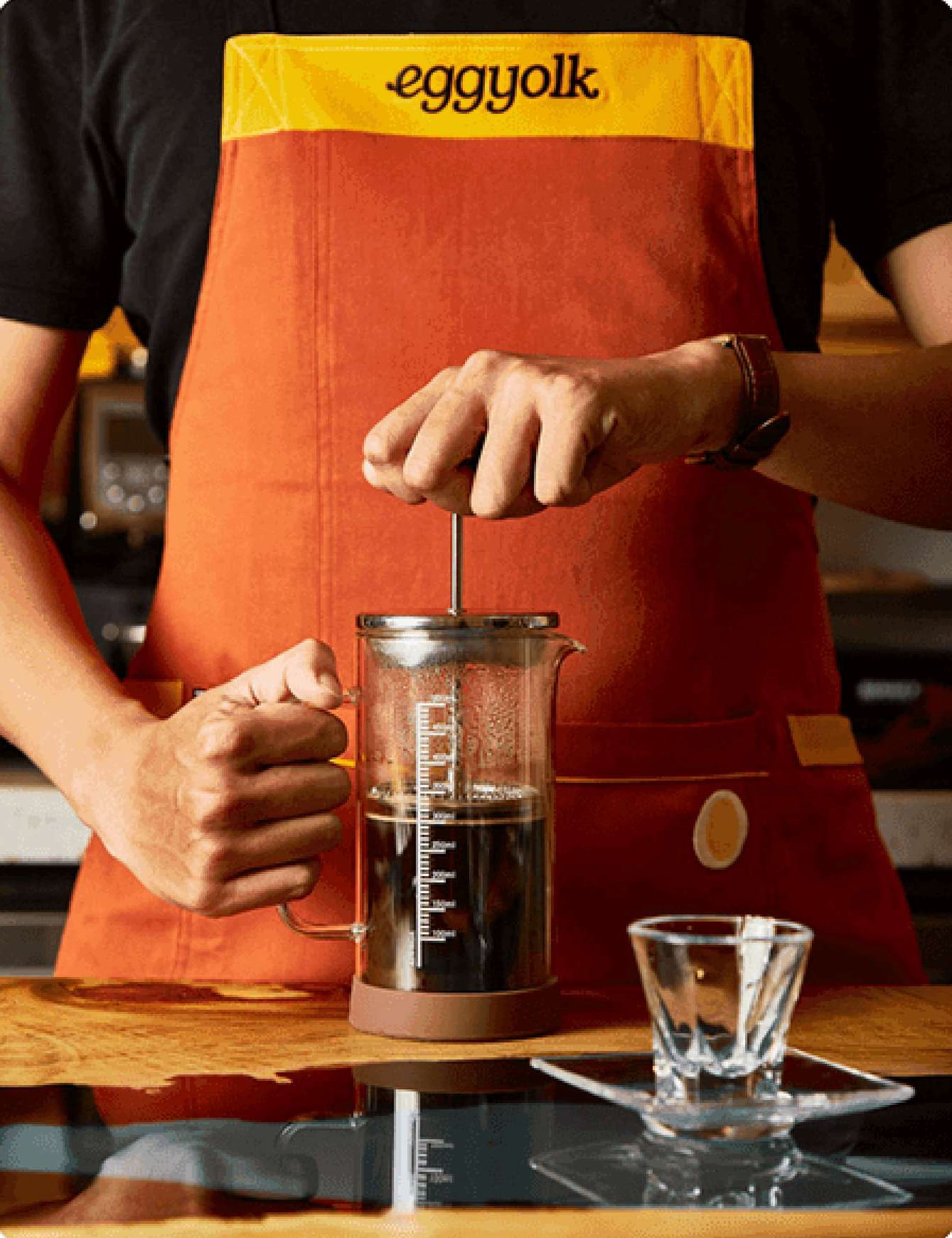
Robusta's bold, chocolatey character also shaped the way Vietnamese people drink coffee. Brewed strong in a phin and sweetened with condensed milk, it creates the deep, rich flavour of cà phê sữa đá. Vietnam also grows Arabica in cooler, higher regions such as Lâm Đồng, Sơn La and Quảng Trị, and a new generation of farmers and roasters is raising the quality of both species.
Which should you choose?
It depends on how you like your coffee:
- For pour-over or black coffee with delicate flavours, try a single-origin Arabica.
- For Vietnamese phin coffee with condensed milk, a Robusta or Robusta-heavy blend gives the classic bold taste.
- For espresso, many people love a blend: Arabica brings sweetness and aroma, while Robusta adds body, crema and caffeine.
- For an extra-strong wake-up call, Robusta is your friend.
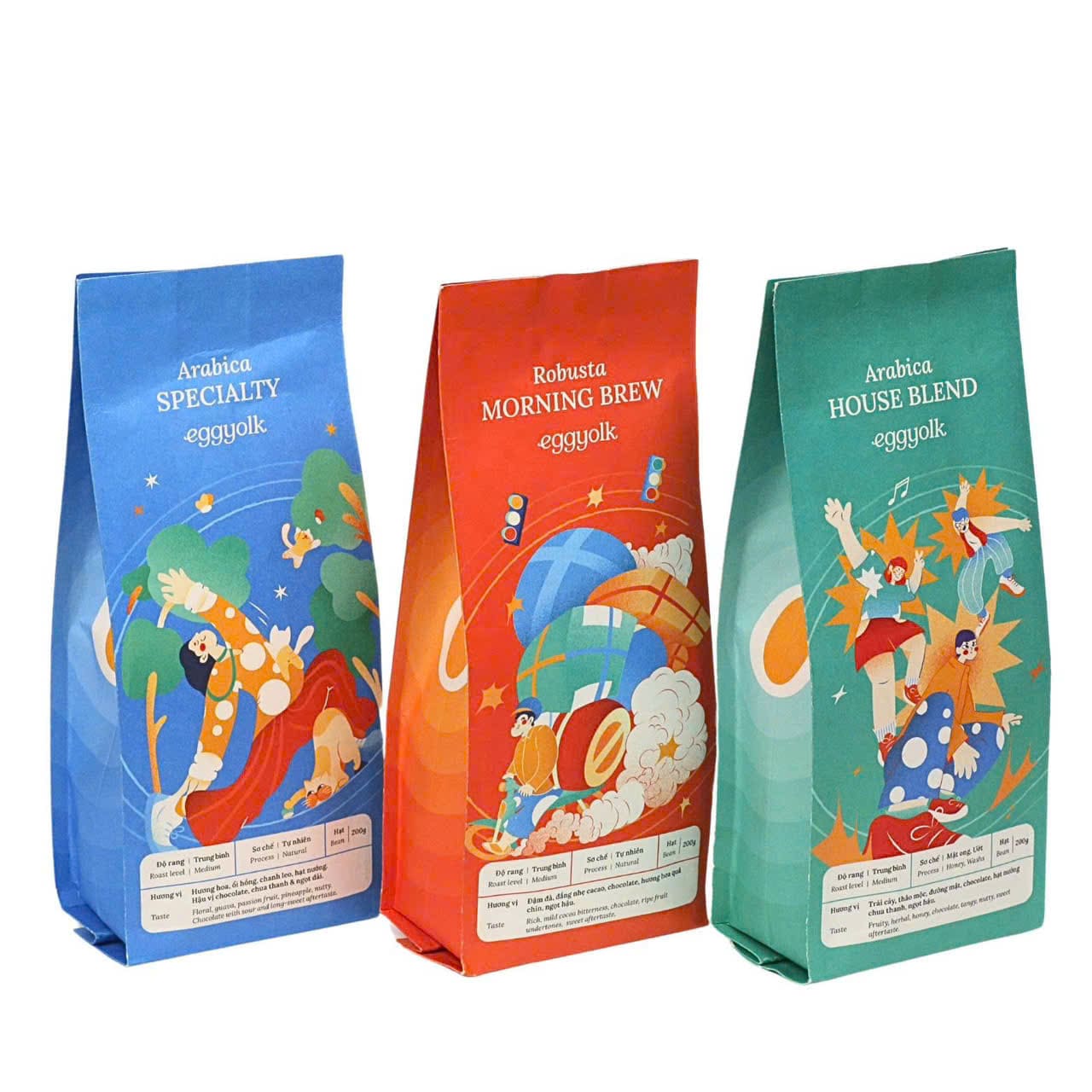
At Eggyolk, our roasted beans show both sides. Our Arabica Specialty is floral and fruity, with notes of guava, passion fruit and pineapple and a chocolatey, long-sweet finish. Our Robusta Morning Brew is rich, with mild cocoa bitterness and ripe fruit undertones, built for energetic mornings. And our Arabica House Blend sits in between: fruity, herbal and honeyed, with chocolate and nutty notes.
The best way to understand the difference is to taste them side by side. Brew an Arabica and a Robusta the same way, sip each one slowly, and notice how differently two coffees can speak.