How to Taste Coffee: A Simple Guide to Aroma, Acidity, Body and Flavour Notes
Learn to taste coffee like a pro. A beginner-friendly guide to aroma, acidity, sweetness, body and aftertaste, plus how to read flavour notes and try cupping at home.
In this article
Have you ever read the label on a bag of coffee and wondered how anyone could taste "guava", "passion fruit" or "honey" in a drink made from roasted beans? You're not alone. Coffee tasting can seem mysterious, but it's a skill anyone can learn, and once you start paying attention, every cup becomes more interesting.
You don't need special training or expensive equipment. You just need curiosity, a few minutes and a willingness to slow down. Here's how to start tasting coffee like a professional.
Why learn to taste coffee?
Coffee is one of the most aromatically complex things we eat or drink, with hundreds of compounds created during growing, processing and roasting. Learning to taste helps you understand what you enjoy and why. It makes it easier to choose new coffees, brew them better and describe what you want to a barista. And it turns your daily cup into a small moment of discovery.
The building blocks of taste
Professional tasters evaluate coffee using a handful of key qualities. Learn to notice these and you'll have a vocabulary for almost any cup.
Aroma
Much of what we call "flavour" actually comes from smell. Before you sip, smell the coffee. Professionals distinguish between the fragrance of dry grounds and the aroma of brewed coffee. Is it sweet, nutty, fruity, floral or roasty? Aroma is often your first and strongest clue to what's coming.
Acidity
In coffee, acidity doesn't mean sourness or stomach-upsetting harshness. It describes brightness, the lively, juicy sensation you feel on the sides of your tongue, similar to biting into an apple or a citrus fruit. A coffee with pleasant acidity tastes vibrant; one with very little tastes flat or mellow. Light roasts and washed Arabica coffees tend to be more acidic, while dark roasts and Robusta are lower in acidity.
Sweetness
Good coffee has natural sweetness, even without sugar. It might remind you of caramel, brown sugar, honey or ripe fruit. Sweetness comes from carefully picked ripe cherries and good roasting, and it's one of the clearest signs of quality.
Bitterness
Bitterness is a natural part of coffee, and a little of it adds depth, just as it does in dark chocolate. Too much, though, usually points to over-extraction or a very dark roast. If your coffee tastes harsh, try a slightly coarser grind or a shorter brew time before blaming the beans.
Body
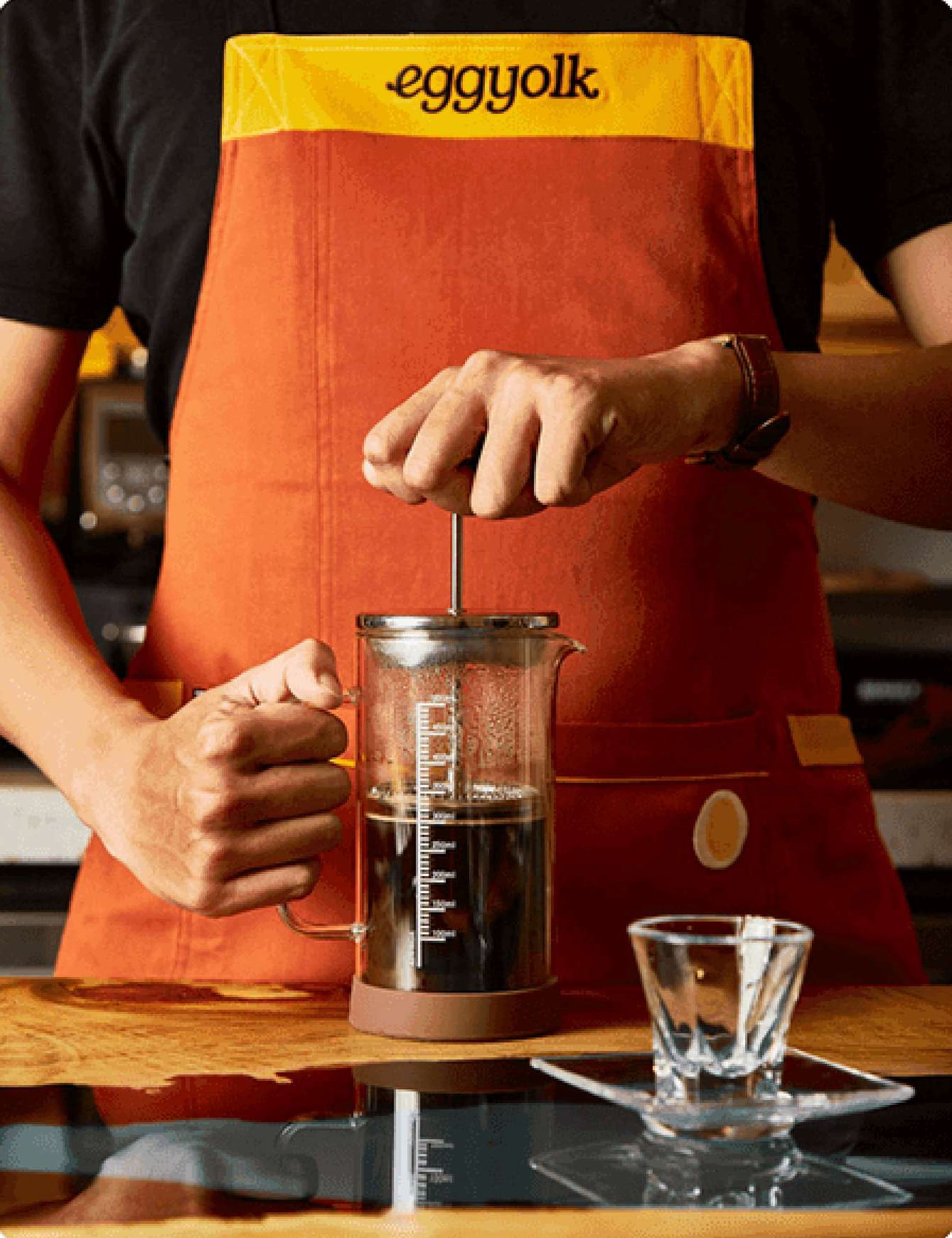
Body, or mouthfeel, is how the coffee feels in your mouth. Is it light and tea-like, like skimmed milk? Or heavy and syrupy, like whole milk or cream? Metal filters, like a phin or French press, tend to produce more body than paper filters.
Flavour
Flavour is the overall impression of taste and smell combined. This is where descriptors like chocolate, berries or spice come in. Try to start broad (is it fruity, nutty, chocolatey or floral?) and then narrow it down (which fruit?).
Aftertaste
Also called the finish, this is the taste that lingers after you swallow. Does it fade quickly or stay for a while? Is it sweet and pleasant, or dry and bitter? A long, sweet finish is usually a good sign.
Balance
Finally, consider how everything fits together. In a balanced coffee, no single quality overwhelms the others. Bright acidity is supported by sweetness, and body complements flavour.
What do flavour notes really mean?
The flavour notes printed on a coffee bag don't mean those ingredients were added. They describe flavours the coffee naturally resembles. When a coffee is described as tasting of blueberry or dark chocolate, the taster is drawing on shared reference points to help you imagine the cup.
Many professionals use the Coffee Taster's Flavor Wheel, developed by the Specialty Coffee Association and World Coffee Research, to find the right words. It groups flavours from broad families, such as fruity, floral, sweet, nutty or roasted, down to specific notes like lemon, jasmine or almond.
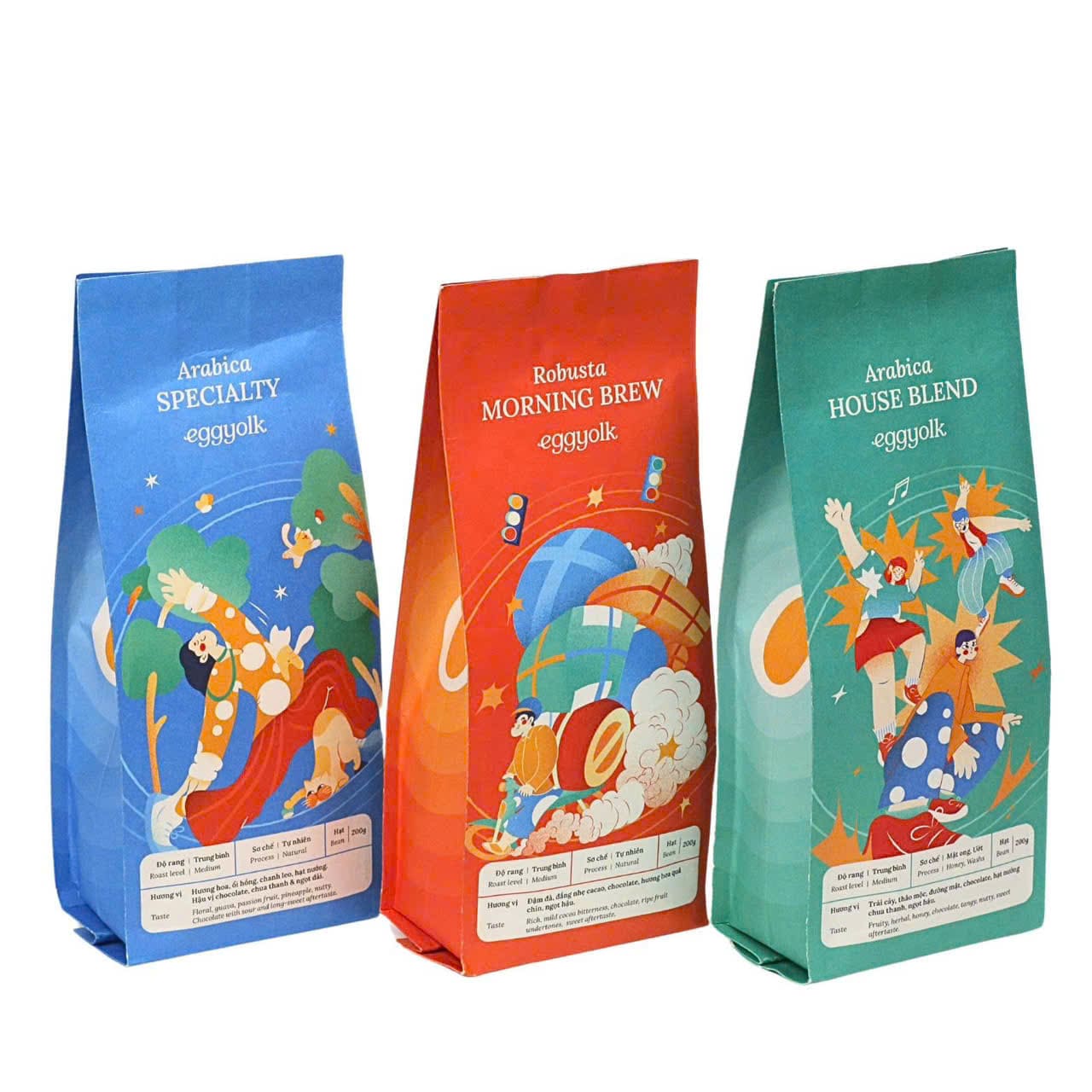
Take our Arabica Specialty as an example. Its tasting notes include floral aromas, guava, passion fruit, pineapple and nuttiness, with chocolate and a sour, long-sweet aftertaste. Compare that with our Robusta Morning Brew, described as rich, with mild cocoa bitterness, chocolate and ripe fruit undertones. Taste them side by side and the difference in acidity, body and flavour becomes clear.
How to taste coffee at home
- Smell the grounds right after grinding, and note your first impression.
- Brew as usual, then smell the coffee again.
- Let it cool slightly. Very hot coffee masks flavour. Many notes become clearer as it cools.
- Slurp. It sounds rude, but slurping sprays the coffee across your palate and carries aroma to your nose.
- Taste at different temperatures. Sip when hot, warm and nearly cool. Sweetness and acidity often change as it cools.
- Compare. Tasting two coffees side by side is the fastest way to learn, because the differences jump out.
- Write it down. Even a few words help you remember what you liked.
Try cupping at home
Cupping is the method professionals use to evaluate coffee consistently. It's simple to try at home:
- Weigh about 8.25 g of coffee for every 150 ml of water, ground fairly coarsely, into a cup or small bowl.
- Smell the dry grounds.
- Pour hot water (around 93°C) over the coffee and wait four minutes while a crust forms.
- Break the crust by gently pushing it with a spoon, and smell the aroma that rises.
- Skim off the foam, wait a few more minutes, then taste from a spoon with a big slurp.
Repeat with a second coffee and compare.
Train your palate
Tasting is a muscle. To build it, pay attention to the flavours of everyday foods: smell fruit at the market, taste different chocolates, notice the difference between almonds and hazelnuts. Avoid strong flavours like mint toothpaste or spicy food just before tasting, and keep water on hand to reset between sips. Tasting with friends helps too, since someone else's description can unlock a flavour you couldn't quite name.
The more you taste, the more you'll notice. Start with your next cup: smell it, slurp it and ask yourself what it reminds you of. There are no wrong answers, only discoveries.