Whole Beans, Ground, Instant or Capsules? How to Choose and Store Your Coffee
Whole bean, ground, instant or capsule coffee? Compare flavour, freshness and convenience, and learn how to store coffee properly so every cup tastes its best.
In this article
There has never been more choice in how we make coffee at home. You can grind fresh beans every morning, scoop pre-ground coffee into a phin, stir an instant sachet into hot water or pop a capsule into a machine. Each format has its strengths, and the right one depends on your taste, your schedule and how much ritual you enjoy.
Whatever you choose, one thing matters for all of them: freshness. In this guide we'll compare the four main formats, then share simple ways to store coffee so it tastes as good on the last day as on the first.
Why freshness matters
Roasted coffee is full of delicate aromatic compounds, the source of all those lovely notes of chocolate, fruit and caramel. Over time, those aromas fade and the oils in the coffee react with oxygen, a process called oxidation. Coffee doesn't spoil in a dangerous way, but stale coffee tastes flat, dull and sometimes cardboard-like.
Coffee has four main enemies: air, moisture, heat and light. Every storage tip in this guide is about keeping those four away.
Whole beans
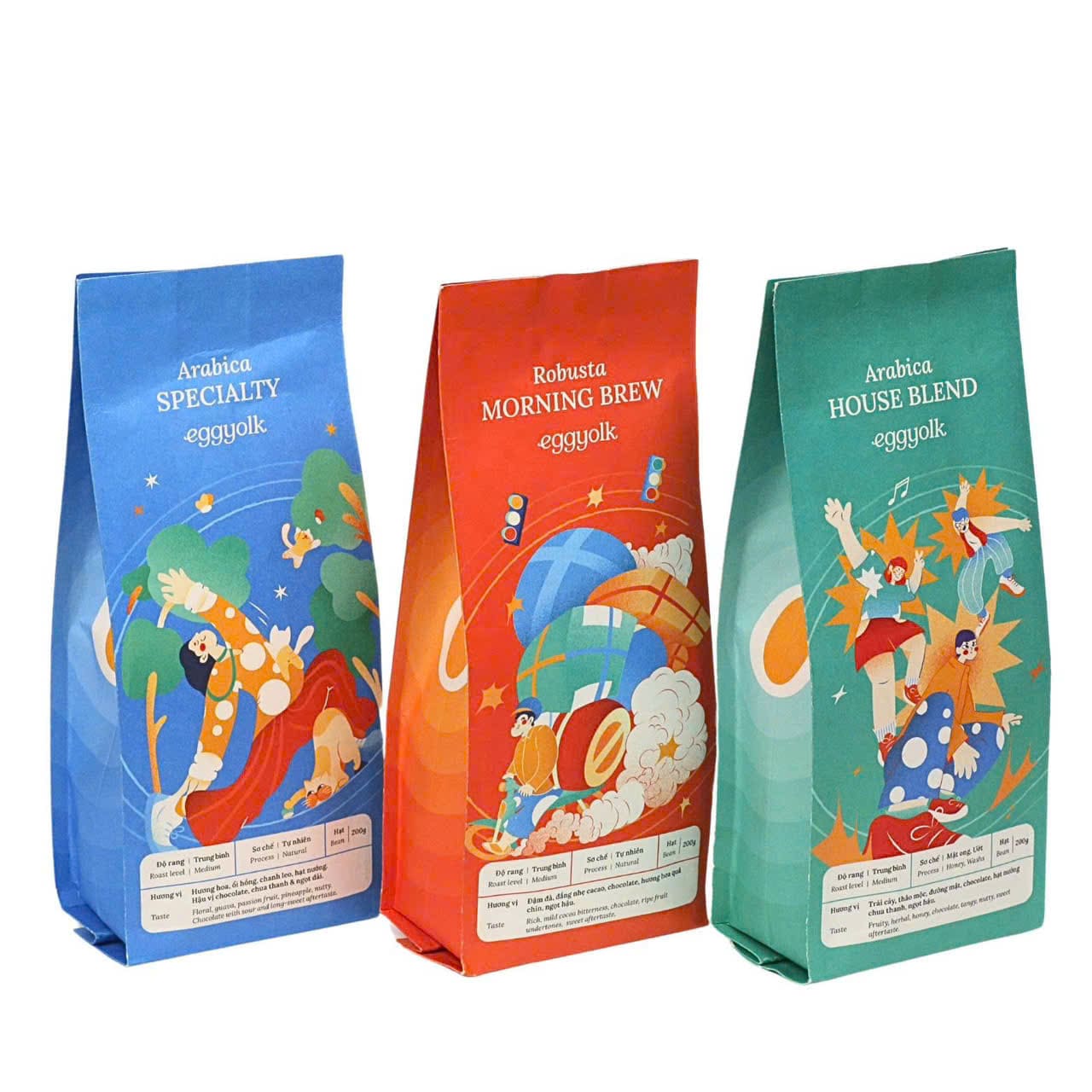
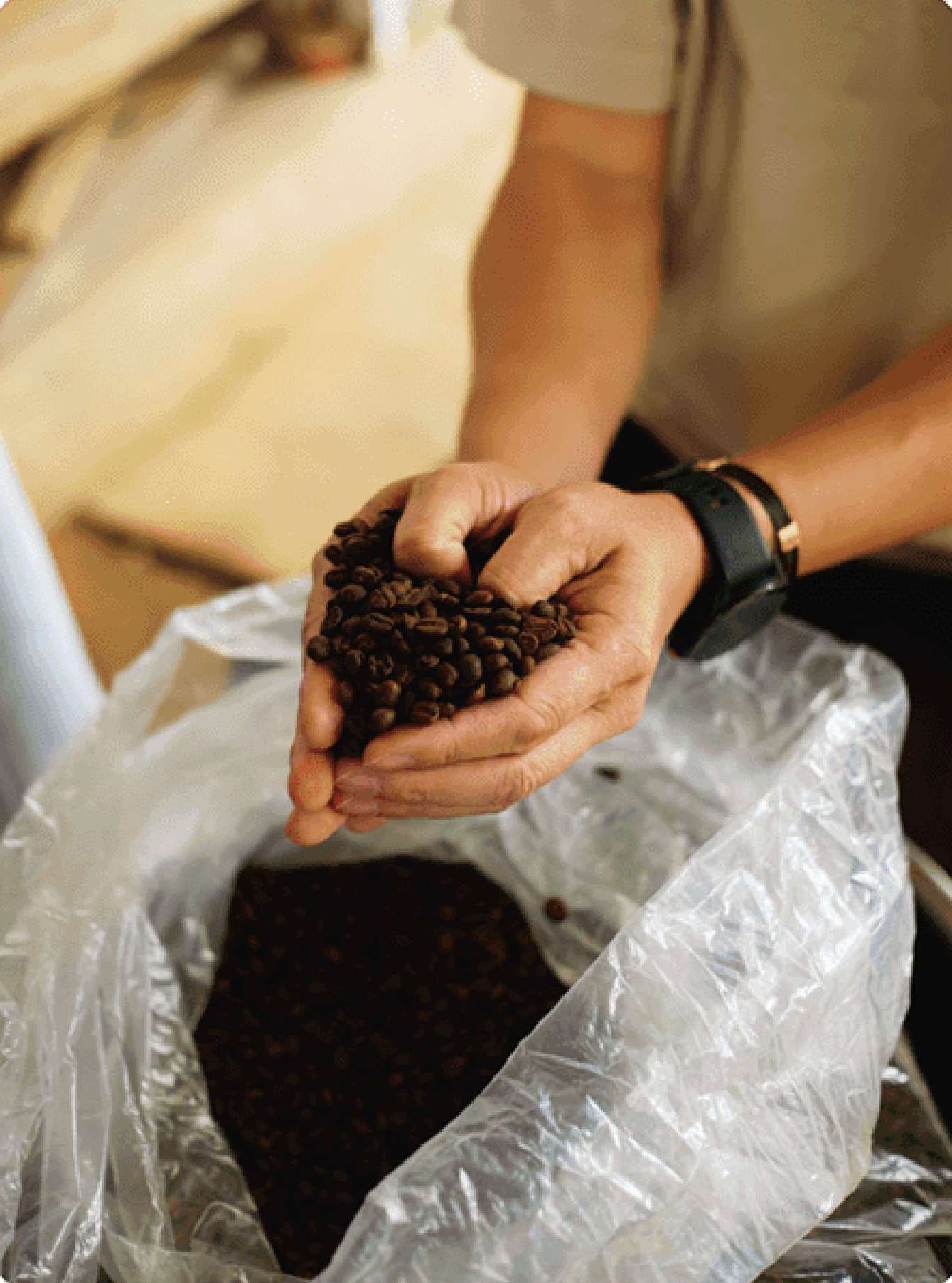
Whole beans keep their freshness longest, because the outer structure of the bean protects the aromatic compounds inside. Grinding right before brewing gives you the most vibrant, aromatic cup possible.
Pros: the best flavour and aroma, and the flexibility to adjust your grind for any brewing method.
Cons: you'll need a grinder, and it takes a few extra minutes.
Tip: if you're choosing a grinder, a burr grinder produces more even particles than a blade grinder, which leads to more balanced extraction.
Pre-ground coffee
Ground coffee is wonderfully convenient. Once ground, though, coffee has far more surface area exposed to air, so it starts losing aroma much faster than whole beans.
Pros: no grinder needed, ready to brew in seconds.
Cons: goes stale faster, and you can't adjust the grind size.
Tip: buy ground coffee in smaller amounts, and choose a grind that matches your brewing method, such as a medium-coarse grind for a phin or a fine grind for espresso.
Instant coffee
Instant coffee is real coffee that has been brewed and then dried into soluble granules or powder. There are two main methods. Spray-drying sprays concentrated coffee into hot air, while freeze-drying freezes the coffee and removes the water under vacuum. Freeze-drying is gentler and generally preserves more aroma.
Pros: incredibly fast, light to carry and long-lasting, perfect for travel, the office or busy mornings.
Cons: less complex than freshly brewed coffee.
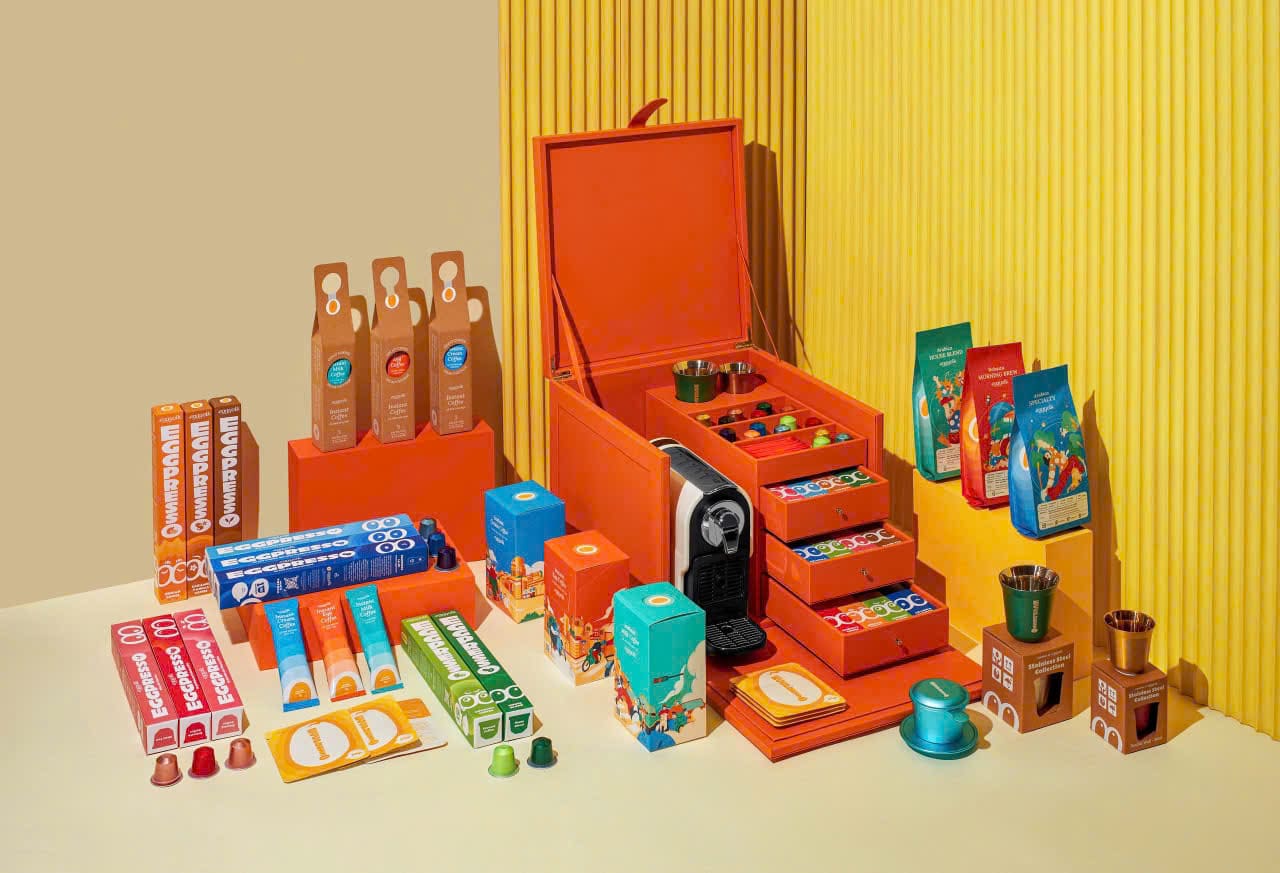
In Vietnam, instant coffee often comes in convenient single-serve sachets, sometimes mixed with milk and sugar. Our own Instant Egg Coffee, Instant Cream Coffee and Instant Milk Coffee use a freeze-dried method we call Flavor Seal, designed to keep the taste close to a freshly brewed cup. Each box holds twelve 18 g sachets.
Coffee capsules
Capsules contain a single portion of ground coffee sealed in a small container, ready for a compatible machine.
Pros: consistent results at the touch of a button, minimal mess, and each portion is sealed until you use it, which helps protect freshness. They're also an easy way to explore many flavours without opening large bags.
Cons: you'll need the right machine, and the cost per cup is usually higher than beans or ground coffee.
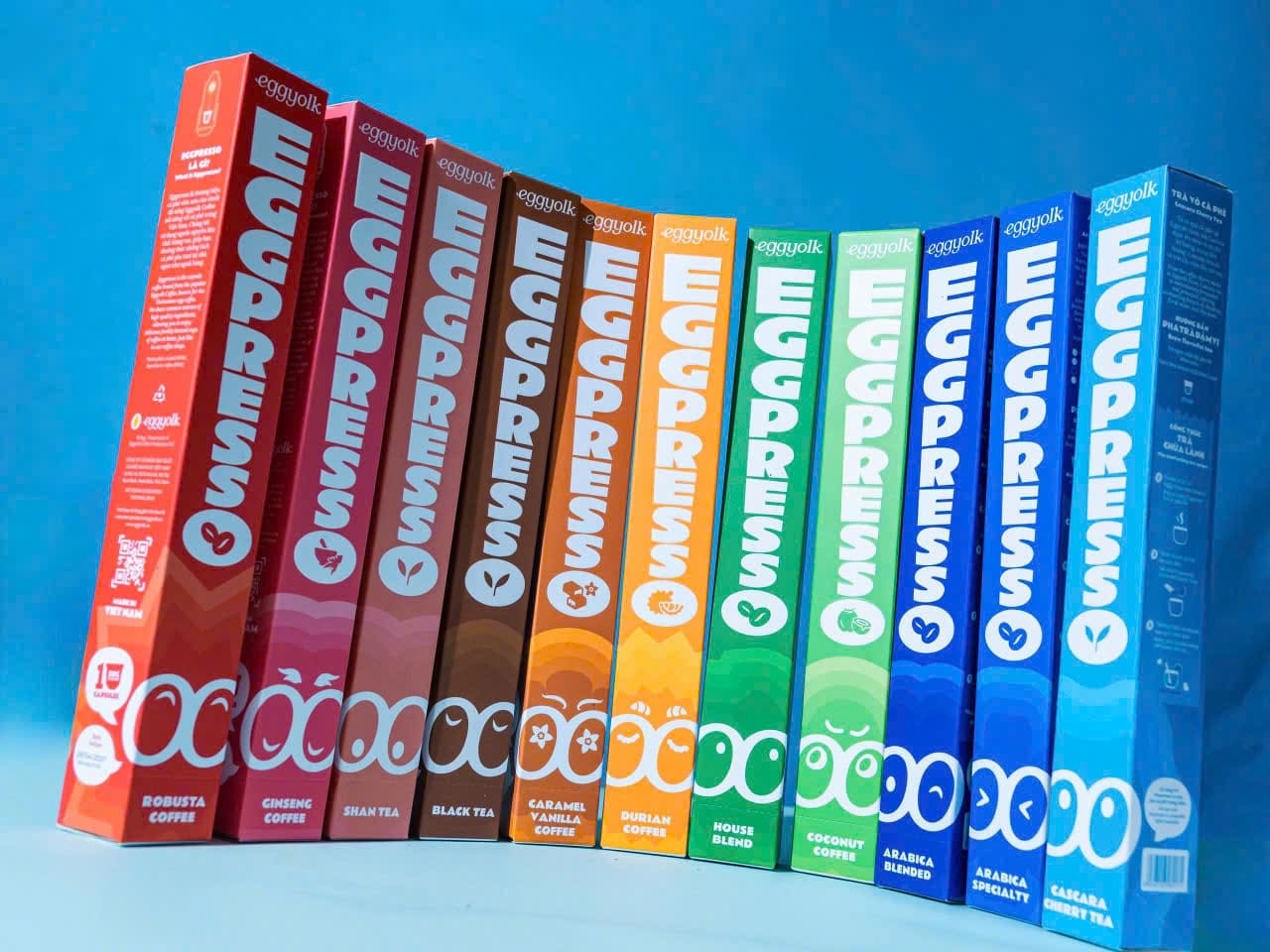
Tip: check that your capsules are compatible with your machine before brewing, and look into local recycling options for used capsules. Our Eggpresso range comes in eleven flavours, from Robusta and Arabica Specialty to Durian, Coconut and Cascara cherry tea.
How to store coffee properly
Use an airtight, opaque container
Keep coffee in a sealed container that blocks light. Many good coffee bags come with a one-way valve, which lets carbon dioxide escape without letting air in. If yours has one, simply squeeze out excess air and seal it tightly with a clip.
Keep it cool and dark
Store coffee in a cupboard away from the stove, oven, kettle and sunny windowsills. A stable room temperature is ideal.
Skip the fridge
It's tempting, but the fridge isn't a good home for coffee. Every time you take it out, condensation can form, adding moisture. Coffee can also absorb odours from other foods.
Freeze only for long-term storage
If you've bought more coffee than you can use in a few weeks, freezing can help. Divide it into small, airtight portions, freeze them, and take out one portion at a time. Let it come to room temperature before opening to avoid condensation, and don't refreeze it.
Buy little and often
The simplest rule of all: buy amounts you'll finish within two to three weeks. Look for a roast date on the bag, rather than just a best-before date, so you know how fresh it is.
Common storage mistakes
Even careful coffee lovers slip into a few habits that quietly steal flavour:
- Displaying coffee in a clear glass jar. It looks lovely on the shelf, but light speeds up staling.
- Leaving the bag half-open. A loosely folded top lets air in every time you walk past.
- Grinding a week's coffee at once. It saves a few minutes, but the last few days will taste noticeably flatter.
- Topping up old coffee with new. Mixing fresh beans into a container of stale ones drags the whole batch down. Finish the old coffee first, then clean the container.
How long does coffee last?
As a rough guide:
- Whole beans: best within about a month of roasting, once opened.
- Ground coffee: best within one to two weeks of opening.
- Instant coffee: keeps for months if resealed and kept dry. Always use a dry spoon.
- Capsules: sealed portions keep well until the best-before date when stored at room temperature.
There's no single right answer, and many coffee lovers use more than one: beans at the weekend, capsules on weekdays, sachets in a travel bag. Choose what fits your life, store it well, and every cup will taste a little brighter.